

How to Prevent Foil Oxidation and Blistering in Luxury Liquor Packaging During Ocean Freight
To completely eliminate foil oxidation and blistering during high-humidity ocean freight, Goodluck Printing mandates the use of vacuum-metallized anodized aluminum foils sealed with an anti-corrosive polyurethane topcoat, combined with a strict 8% paper moisture control to prevent thermal outgassing during the stamping process.
Introduction
In the premium wine and spirits market, gold and silver foil stamping is non-negotiable for brand prestige. However, when luxury rigid boxes spend 30 days in a humid, high-salinity ocean freight container, sourcing managers often face two disastrous manufacturing defects: the metallic foil oxidizing and turning black, and micro-blisters bubbling up underneath the foil.
At Goodluck Printing (ltd.com), we approach metallic finishing as thin-film chemistry. Here is the technical breakdown of how our automated prepress and finishing workshop eliminates these foil failures.
Part 1: Solving Metallic Oxidation (The Black Edge Effect)
When a gold foil logo turns brown or black at the edges, it is undergoing galvanic corrosion. Standard hot stamping foils use a micro-thin layer of raw aluminum to create the reflective metallic effect. When exposed to maritime humidity and the natural sulfur found in recycled paperboards, the aluminum oxidizes.
✅ What to Do vs ❌ What to Avoid
✅ DO Use Anodized and Coated Foils: We exclusively source vacuum-metallized foils that feature a specialized anti-corrosive polyurethane topcoat. This clear barrier completely seals the aluminum layer from external moisture and sulfur exposure.
✅ DO Implement Aqueous Primers: Before stamping on uncoated or textured specialty papers, we apply an aqueous (water-based) primer. This neutralizes the paper's pH level and blocks residual chemicals from reacting with the foil.
❌ AVOID Cheap Wax-Based Foils for Export: Never allow your supplier to use standard wax-release foils for cross-border shipments. They offer zero barrier protection against high-salinity environments.
Part 2: Preventing Blistering and Micro-Bubbling
If your foil looks like it has tiny bubbles or peeling sections, it is a victim of thermal outgassing. Traditional hot stamping presses operate at 120°C to 150°C. If the paper has high moisture content, this heat instantly turns the water into steam, which gets permanently trapped beneath the foil.
Technical Parameter Comparison Table
Here is how our environmental and tooling standards prevent blistering:
| Technical Metric | Traditional Print Factory | Goodluck Quality Standard (ltd.com) |
| Paper Moisture Content | Unregulated (> 12%) | Strictly Monitored at < 8% |
| Foil Protection | Raw Aluminum Layer | Anti-Corrosive Polymer Topcoat |
| Stamping Tooling | Standard Flat Brass | Micro-perforated CNC Brass (Allows gas escape) |
| Humidity Tolerance | Oxidizes at 60% RH | Maintains brilliance at 85% RH (Maritime Safe) |
Action Checklist: The 2026 Metallic Finish Quality Gate
Do not approve your next luxury packaging shipment unless your manufacturing partner passes these 3 physical tests:
The 72-Hour Salt Spray Test: Request that foiled sample boxes be placed in a salt spray testing chamber for 72 hours. There must be zero signs of blackening, tarnishing, or edge corrosion.
The 3M 610 Tape Peel Test: Apply industry-standard 3M tape firmly over the foiled area and peel it back at a 90-degree angle. Blistered or poorly adhered foil will flake off. It must pass with 0% transfer.
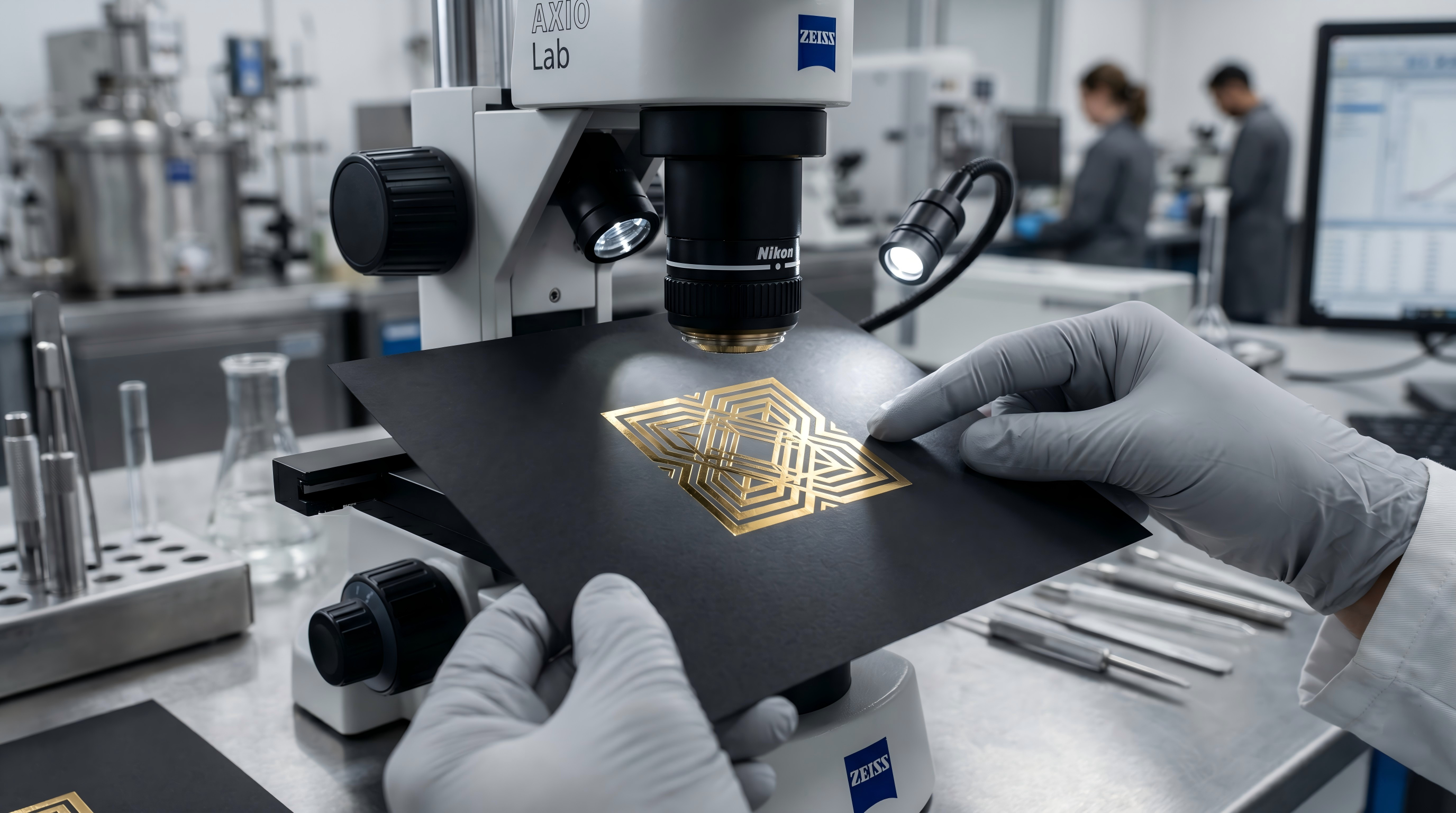
The Micro-Bubble Visual Check: Inspect the solid foiled areas under a 10x magnification jeweler's loupe. The surface must be completely flat with zero trapped gas pockets.
For export-ready luxury packaging that survives any climate, explore our advanced finishing capabilities at
.


Please first Loginlater ~